.png)


.png)
You ran the discovery call. You handled objections thoughtfully. You sent a clear recap. You logged the notes. You followed up on time.
From a process standpoint, you executed.
And yet the deal still slipped.
The close date moved out another month. The champion became harder to reach. Procurement introduced new friction. What once felt like forward momentum gradually turned into uncertainty.
There wasn’t a single catastrophic call where everything fell apart. No obvious mistake you could point to. In fact, when you review the conversations, they sound solid. The buyer was engaged. The questions were strong. The objections were addressed.
That’s what makes it so frustrating.
When a deal collapses because of a glaring misstep, it’s painful but clear. When a deal drifts despite “good” execution, it’s confusing. You’re left wondering what actually changed — and more importantly, when.
Most slipped deals don’t implode in one dramatic moment. They erode over time. And that erosion often hides in the spaces between calls, not inside a single transcript.
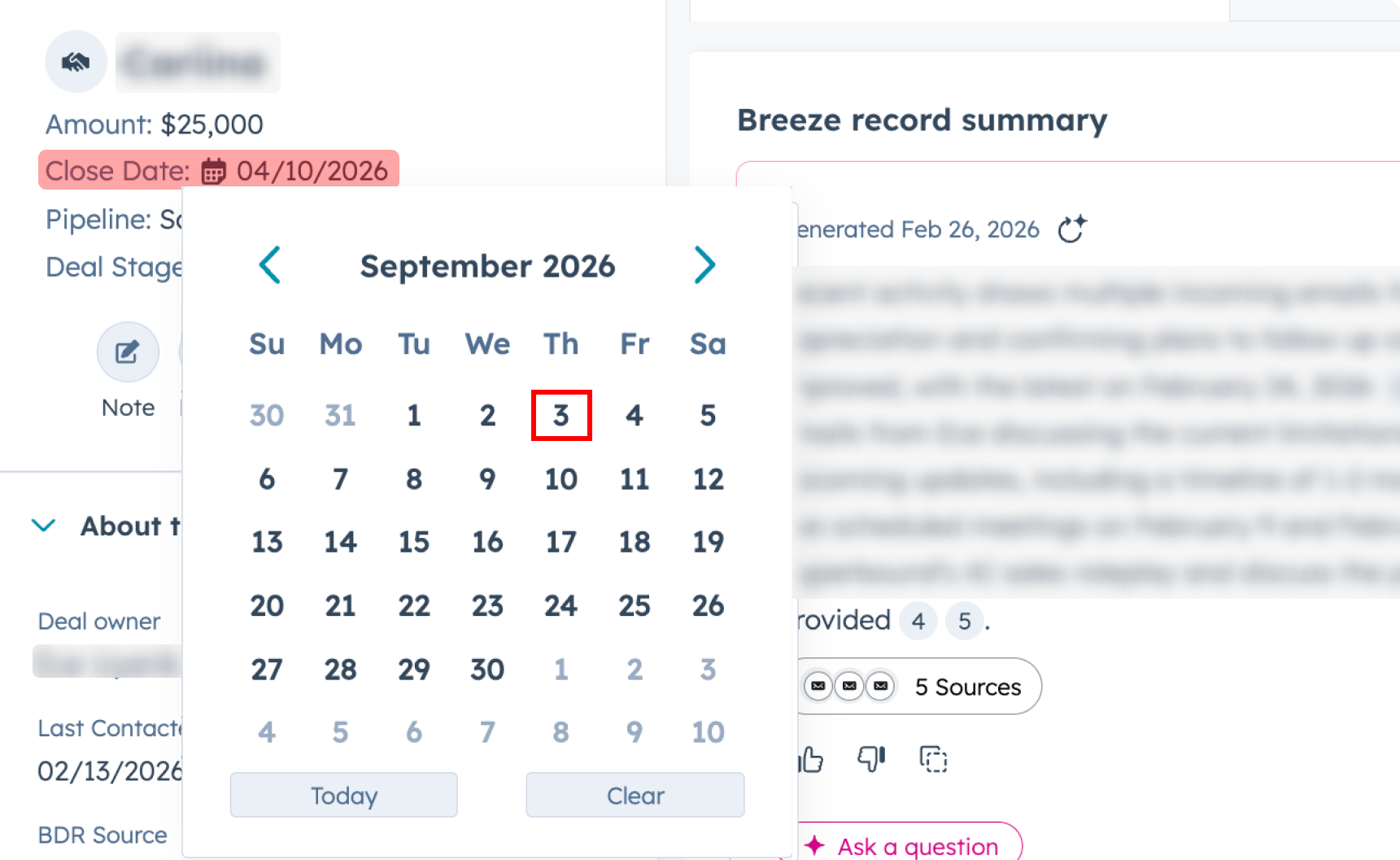
Call Data Is Descriptive, Not Predictive
Modern sales teams have more call data than ever before.
Every conversation is recorded. Transcripts are searchable. Objections are tagged. Summaries highlight key moments. You can jump to pricing discussions, competitor mentions, or next-step alignment in seconds.
That’s powerful.
But most of that insight is descriptive. It tells you what happened in a specific call. It can replay the moment. It can summarize the exchange. It can even flag tone or sentiment.
What it rarely does is connect those moments across the life of an opportunity.
A transcript might show that pricing came up. An objection tag might categorize the friction. A summary might note that the buyer asked for a follow-up.
But none of that explains whether pricing pressure is compounding over time. None of it shows whether urgency is strengthening or softening across multiple conversations. None of it reveals whether stakeholder engagement is expanding — or quietly shrinking.
Call data explains events.
It doesn’t explain trajectory.
And when you’re trying to prevent a deal from slipping, trajectory matters more than any single moment.
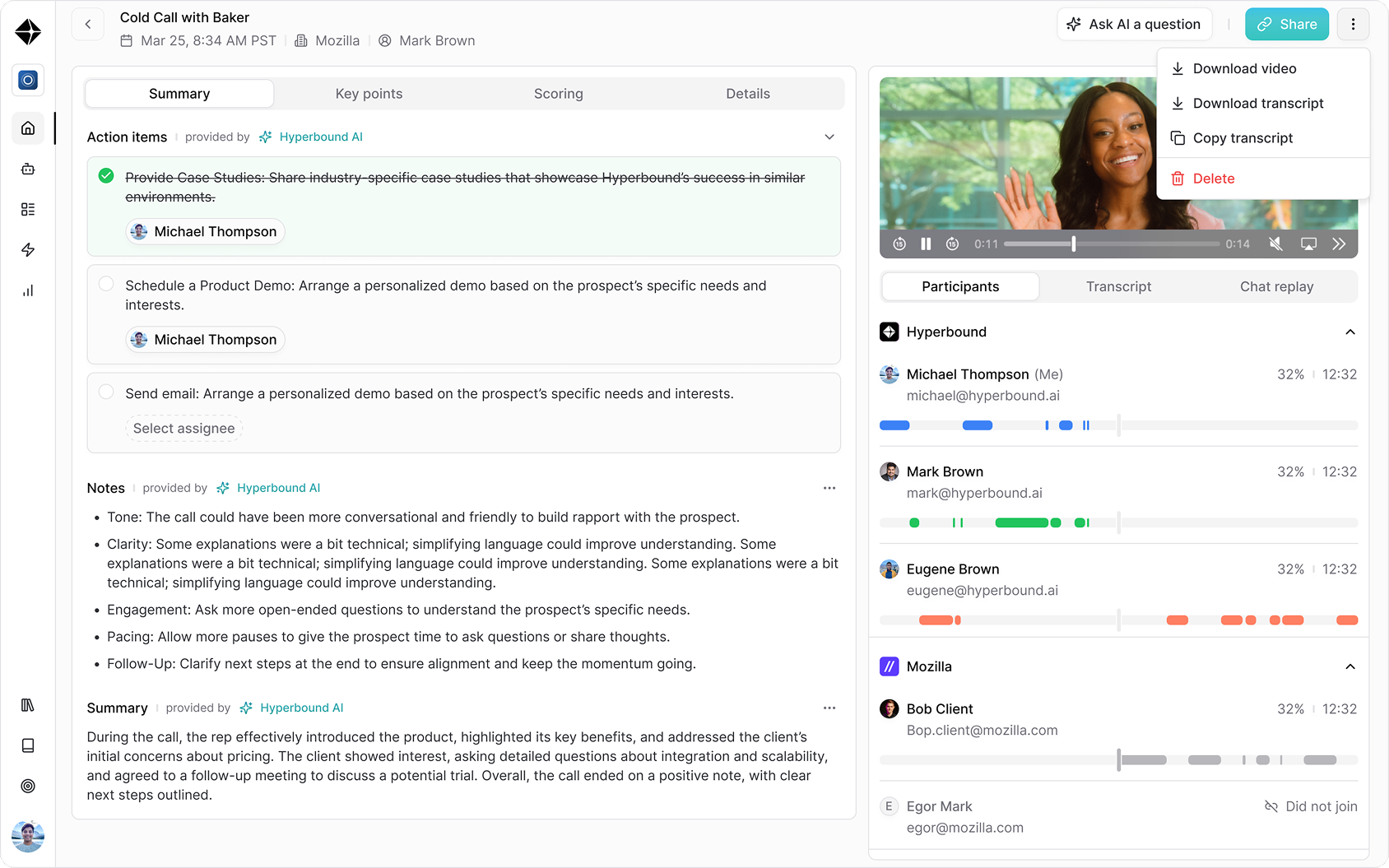
Why Deals Actually Slip
Deals don’t usually slip because of one disastrous call.
They slip because small execution gaps compound over time.
Urgency softens. What started as a strong business case turns into “circle back next quarter.” Pricing pressure resurfaces in slightly different forms. Stakeholder engagement narrows instead of expands. The champion becomes less responsive — not all at once, but gradually.
None of these moments are dramatic in isolation.
On any given call, the conversation might feel productive. The buyer might still be polite. Next steps might still be agreed upon. But when you zoom out across four, five, six conversations, patterns start to emerge.
Objections that were supposedly handled reappear. Executive involvement stalls. The tone subtly shifts from decisive to cautious.
This is execution drift.
It’s not about one bad answer. It’s about a series of small signals that, when connected, point to weakening momentum.
The problem is that most tools evaluate calls individually. They don’t evaluate momentum across the entire opportunity.
So by the time the deal visibly slips — through a pushed close date or forecast downgrade — the behavioral signals have already been compounding for weeks.
.png)
What Reps Actually Need
When a deal starts to drift, most reps don’t need another transcript.
They don’t need to rewatch the last call from start to finish. They don’t need a longer summary or another tag applied to the conversation.
What they need is clarity.
Clarity on whether momentum is strengthening or weakening across the opportunity. Clarity on which objections are compounding instead of resolving. Clarity on whether stakeholder engagement is expanding or narrowing.
Most importantly, they need to know what to adjust before the next conversation.
If pricing pressure is building, preparation needs to focus there. If urgency is softening, the next call should reinforce consequences and timelines. If executive alignment is weak, the strategy should shift before the window closes.
Reps don’t lose deals because they lack information.
They lose deals because they don’t have connected signals across the opportunity — and targeted preparation tied to those signals while there’s still time to influence the outcome.
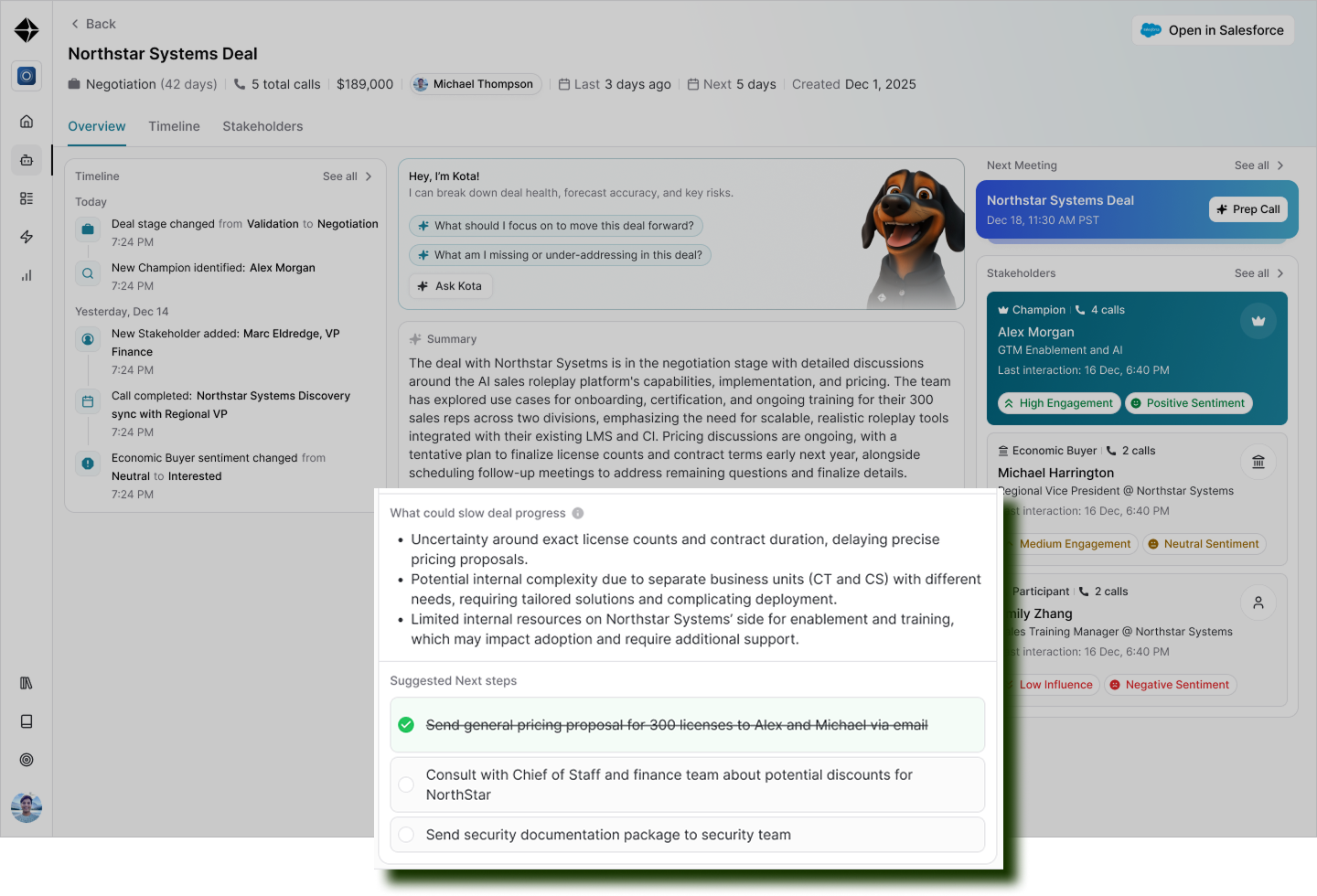
From Hindsight to Prevention
Most sales analysis happens after something goes wrong.
The deal slips. The forecast moves. The post-mortem begins.
You listen back to calls. You try to identify where momentum shifted. You ask what could have been handled differently. You reconstruct the timeline and search for the turning point.
That kind of reflection has value.
But it doesn’t change the outcome of that deal.
Prevention requires something different. It requires signals early enough to intervene. It requires understanding not just what was said, but what those conversations mean for the direction of the opportunity. And it requires translating that understanding into specific adjustments before the next call takes place.
Seeing that urgency is weakening is useful.
Preparing differently for the next conversation because urgency is weakening is what actually changes the trajectory.
Call data gives you hindsight.
Connected execution signals — paired with clear next steps — give you leverage.
And in live deals, leverage is the difference between drift and momentum.
Seeing Isn’t the Same as Steering
Call data isn’t useless.
It’s just incomplete.
Replays, transcripts, and summaries help you understand what happened in a conversation. They make individual moments visible. They make coaching more informed.
But they don’t automatically help you steer the deal.
Deals are shaped across conversations — not within a single one. And preventing slip requires seeing patterns early enough to adjust execution before momentum fades.
Reps don’t need more recordings.
They need connected insight across the opportunity — and targeted preparation tied to what’s emerging in real time.
Because by the time a deal visibly slips, the behavioral signals have already been there.
The question isn’t whether you can see what happened.
It’s whether you can change what happens next.
If you’re tired of figuring out why deals slipped after the fact, explore how Hyperbound Perform connects execution across calls and helps you adjust before momentum fades.
Book a demo with Hyperbound


