.png)



Most sales teams want to coach better.
But in practice, call coaching is inconsistent by design.
It depends on which calls get reviewed.
It depends on which reps get attention.
It depends on how much time a manager has that week.
Some calls get deep feedback.
Most calls get none.
Even the best managers are usually coaching from a small, unrepresentative sample of what reps actually say on live calls. Not because they don’t care — but because listening to every call, across every rep, simply doesn’t scale.
As a result, coaching ends up being:
- uneven across the team
- influenced by intuition and memory
- reactive instead of systematic
The intention is there. The structure isn’t.
%201.png)
The Gap Between Practice and Live Performance
Most teams say practice matters, but in reality, it’s inconsistent at best.
Some reps run roleplays. #Some teams do certifications.
Most practice happens sporadically — or only when something goes wrong.
And even when practice does happen, live calls are still a different environment.
Real buyers don’t follow scripts.
Pressure changes how reps respond.
Objections land harder when there’s a deal on the line.
So even strong training moments don’t always show up when it matters most.
The bigger problem is visibility.
Teams don’t have a reliable way to see:
- whether practice actually carries over into live calls
- where reps revert under pressure
- which behaviors break down first in real conversations
By the time those gaps are obvious, the deal is already at risk.
What Is Real Call Scoring?
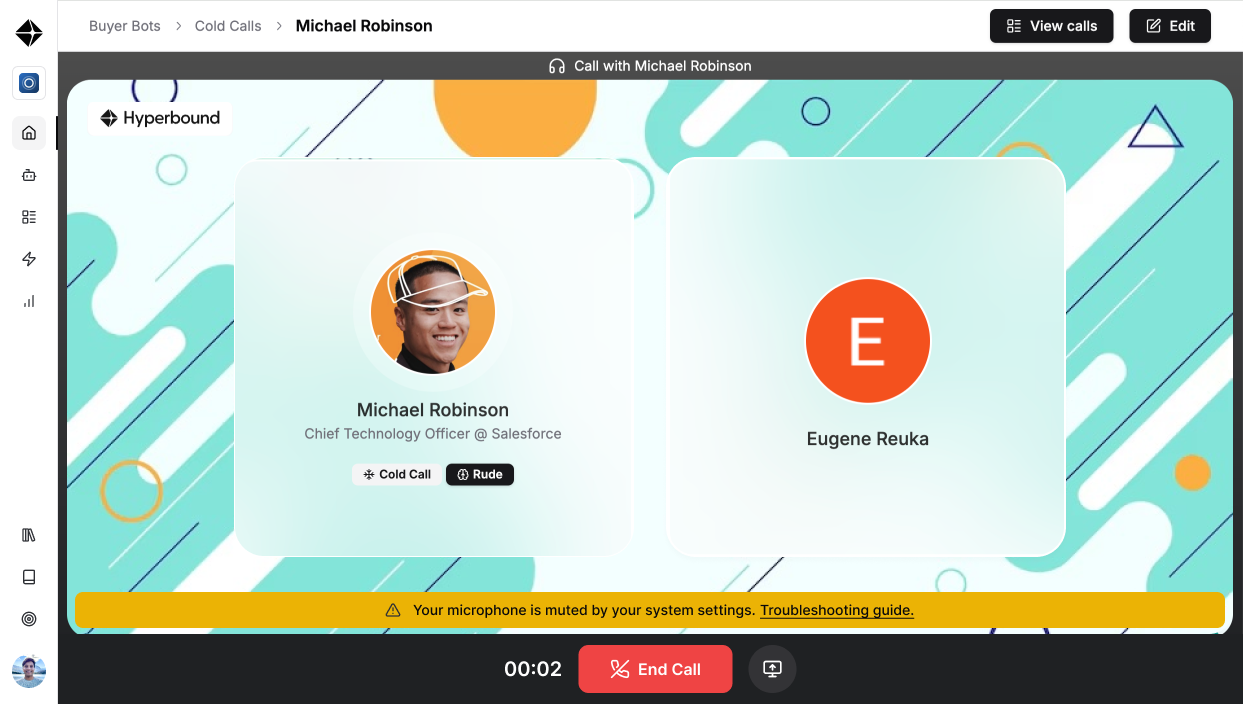
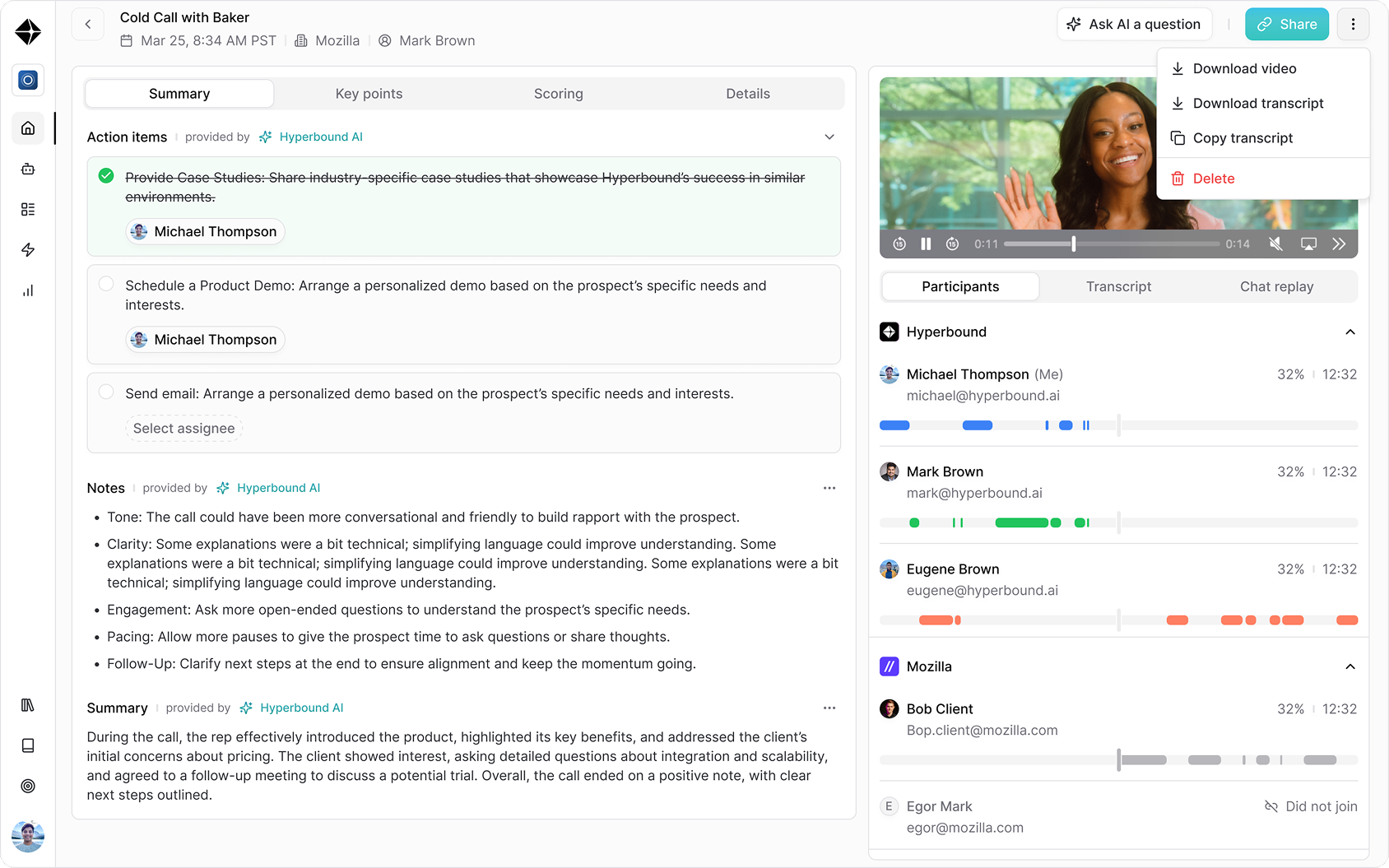
Real Call Scoring is a way to consistently evaluate how reps perform on real, live sales calls.
Not practice calls. Not mock scenarios. Actual conversations with buyers.
It applies the same criteria across calls, reps, and teams so execution can be measured consistently — instead of being inferred from a few listened-to recordings or a manager’s memory.
What it shows is simple:
- how reps actually execute in live conversations
- which behaviors show up under pressure
- where execution breaks down over time
Instead of relying on intuition or memory, teams get a clear, repeatable signal of what’s happening on calls across the business.
That signal becomes the foundation for coaching, improvement, and reinforcement.
How Real Call Scoring Closes the Feedback Loop
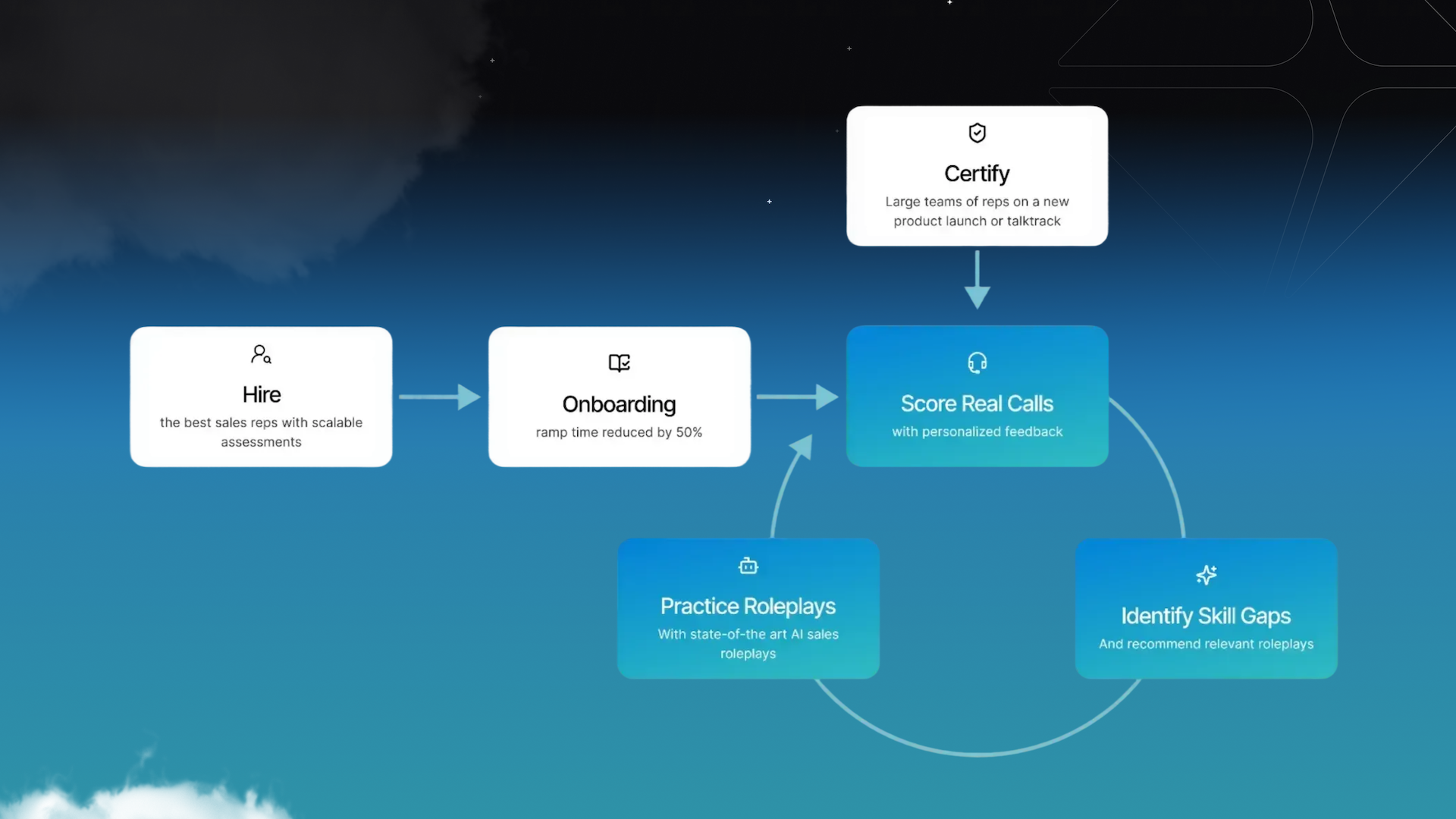
Scoring live calls creates a signal teams rarely have today.
It shows what’s working.It shows what’s breaking down.And it shows where execution starts to drift under pressure.
That signal changes how coaching happens.
Instead of generic feedback or one-off call reviews, managers can coach to real patterns showing up across live conversations. They know what to focus on — not because a rep said something felt off, but because the data from real calls shows it.
That same signal feeds directly into practice.
Roleplays aren’t assigned at random or based on guesswork. They’re tied to the behaviors that actually broke down on live calls — objections that stalled deals, moments where reps lost control of the conversation, or value that didn’t land.
Reps don’t just practice more. They practice what matters most right now.
From Scores to Better Coaching at Scale
Once execution is scored consistently, coaching becomes easier to scale.
Patterns emerge across calls, reps, and deals. Managers can quickly see where multiple reps struggle with the same moments — without listening to hours of recordings or piecing together insights from dashboards.
Instead of spending time hunting for problems, managers can spend time coaching.
They can:
- prioritize the highest-impact coaching topics
- focus on the reps who need help most
- coach more deals without adding more work
Because the feedback is grounded in the same criteria, coaching becomes more objective and more consistent across the team. Reps know what’s expected, managers know what to reinforce, and coaching stops depending on who had time to listen to which calls.
Why Consistency Matters More Than Perfect Scores
The goal of Real Call Scoring isn’t to produce perfect calls.
It’s to create consistent standards.
When execution is measured the same way across reps and calls, progress becomes visible. Reps can see where they’re improving. Managers can coach against the same expectations. Enablement can reinforce the behaviors that actually move the needle.
Without consistency, feedback feels arbitrary.With it, coaching feels fair — and improvement feels achievable.
Over time, those consistent signals make it easier to spot trends, reinforce the right behaviors, and course-correct early, before small execution gaps turn into lost deals.
What Real Call Scoring Unlocks Across the Revenue Org
When execution is visible and consistent, the impact shows up everywhere.
Reps
Reps get clarity on expectations and concrete feedback grounded in real conversations.
Frontline Managers
Managers coach faster and with more confidence, without listening to every call.
RevOps
Enablement and RevOps see whether training shows up in live calls and where execution gaps persist.
Revenue Leadership
Leadership gains confidence in execution quality, not just activity.
Sales Enablement
Training and coaching finally connect to what actually happens inside real opportunities.
When everyone is working from the same signal, coaching, training, and performance move in the same direction.
Practice Only Matters If It Shows Up
Practice alone doesn’t win deals.
Feedback alone doesn’t either.
What changes outcomes is the loop between the two — seeing how reps actually perform in live conversations, coaching to those moments, and reinforcing the behaviors that matter most.
Real Call Scoring makes that loop visible.
By grounding coaching in real execution, teams can move beyond intuition and start improving performance while deals are still in play.
That’s how practice turns into progress — and progress turns into better outcomes.
Book a demo with Hyperbound


