.png)


.png)
Summary
- Practice Over Performance: The primary goal for a new SDR is not booking meetings, but building confidence and desensitizing to rejection through deliberate practice.
- Voice is Still Vital: Cold calling remains a powerful channel, as 57% of C-level buyers prefer voice communication and companies that use it experience 42% more growth.
- Structured Practice is Key: Overcome call reluctance with a 5-day plan that combines mindset preparation, peer roleplays, and high-volume practice sessions to build muscle memory.
- Scale Your Practice with AI: New reps can accelerate skill development and master objection handling with Hyperbound's AI Sales Roleplays, which provide unlimited, risk-free practice and instant feedback.
Your first week as an SDR. The quota is looming, the phone feels like it weighs a thousand pounds, and the advice you've heard is to just 'smile and dial'. But the reality is a mix of overthinking, a crippling fear of rejection, and the pressure to perform without feeling adequately trained.
Sound familiar?
Here's the truth: making 100 cold calls in your first week isn't about booking 10 meetings or impressing your manager with your close rate. It's about practice – desensitizing yourself to rejection, learning what works, and building the muscle memory that transforms anxiety into confidence.
This matters because voice communication remains incredibly powerful in sales. Research shows that 57% of C-level and VP-level buyers prefer voice communication, and organizations that cold call experience 42% more growth than those that don't.
This guide provides a structured, step-by-step plan to not just make 100 calls but to practice them effectively, turning your first week from a trial by fire into a launchpad for success.
Part 1: The Foundation - Mastering Your Mindset and Environment
Before you pick up the phone, let's address the elephant in the room: call reluctance is normal. Every top-performing sales rep started exactly where you are now – nervous, uncertain, and worried about stumbling through conversations.
Create Your "Comfort Studio Environment"
As recommended by sales professionals on Reddit, your physical environment significantly impacts your mental state:
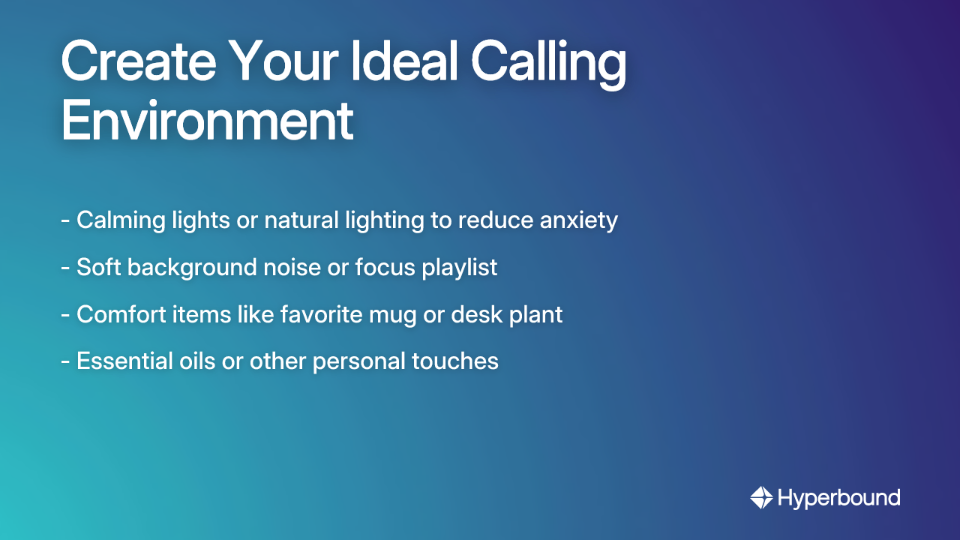
- Lighting matters: Use calming lights or natural lighting to reduce anxiety
- Sound engineering: Try soft background noise or a specific playlist that helps you focus
- Comfort items: Whether it's a favorite mug, a desk plant, or even essential oils – create a space that feels supportive
One SDR described their setup: "I have some calming lights, soft humming white noise, some music playing on my earphones and essential oils vaporizer! That's my personal tip for ya!"
Adopt the "Just Press Dial" Mentality
The biggest roadblock to making calls isn't a lack of knowledge – it's procrastination and overthinking. The most powerful advice from experienced SDRs is disarmingly simple:
"Spend no time worrying about how the call might go. Just press dial."
The goal is to detach from the outcome of any single call and focus on the action of dialing. Each call is a fresh opportunity, regardless of how the previous 20 went.
Learn to Love 'No'
Rejection in sales isn't personal – it's data. Viewing rejection as a chance to move on to more promising leads is a critical mindset shift.
When you hear "no," try reframing it as:
- "I'm one call closer to a yes"
- "I just saved time by qualifying out a poor-fit prospect"
- "That's valuable feedback on my approach"
Part 2: The Game Plan - Preparing for High-Volume, High-Quality Practice
Efficient practice is impossible without solid prep work. High volume is only valuable if the quality is there.
Step 1: Build a Hyper-Targeted Prospect List
Start by:
- Defining your Ideal Customer Profile (ICP): Who are you calling? What industry, company size, and title?
- Using prospecting tools: LinkedIn Sales Navigator or Apollo.io can help you segment effectively
- Cleaning your data: Ensure you have accurate phone numbers and names to avoid wasted dials
- Batching your list: Organize prospects by industry, location, or persona for more focused calling blocks
A targeted list of 200 prospects is better than a generic list of 1,000. Quality matters.
Step 2: Conduct Lightning-Fast Research
Allocate 3-5 minutes per prospect to gather relevant insights.
Look for:
- Recent company news or funding
- A LinkedIn post by the prospect
- Their job responsibilities or tenure
- Industry challenges they might be facing
The goal is one personalized sentence for your opener that shows you've done your homework without spending half an hour on each prospect.
Step 3: Develop a Flexible Cold Call Script
A script is a guide, not a monologue. The goal is to "not sound scripted. Sound like a normal human," as Reddit users emphasize.
Your script should follow a proven structure:
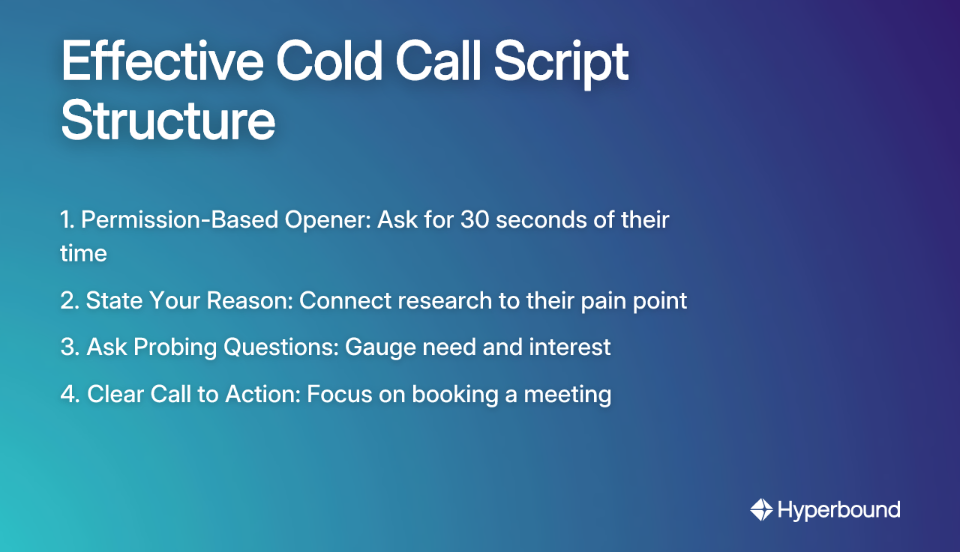
- Permission-Based Opener: "Hi [Name], this is [Your Name] from [Company]. Do you have 30 seconds? I'm calling because..."
- State the Reason for Your Call (The 'Why You?'): Connect your research to a potential pain point
- Ask Probing Questions: To gauge need and interest
- Clear Call to Action: The goal is to book a meeting, not sell on the first call
Remember: a script gives you confidence, but flexibility lets you have real conversations.
Part 3: The Dojo - Your 5-Day Plan to 100 Practice Calls
You wouldn't run a marathon without training. The same goes for cold calling. This 5-day plan is your training regimen.
Day 1-2: Internal Roleplaying & Script Refinement (20 calls)
Activity 1: Shadow a successful SDR
Spend time listening to an experienced colleague's calls. Pay attention to:
- How they open conversations
- Their tone and pacing
- How they handle objections
- Their questioning techniques
Activity 2: Roleplay with your manager or peers
This directly addresses the need for practice to build confidence:
- Have them play different prospect personas (skeptical, rushed, interested)
- Record your practice for self-review
- Get specific feedback on your delivery and messaging
Goal: Get comfortable with your script, identify awkward phrasing, and incorporate initial feedback.
Limitation: Manager and peer availability is limited, and feedback can be subjective. This brings us to the next phase...
Day 3-5: AI-Powered Practice for Scale & Realism (80+ calls)
The Challenge of Scale: How do you get in dozens of realistic reps without burning out your manager or risking live leads?
This is where modern tools like Hyperbound's AI Sales Roleplays come in. These platforms simulate real-world calls throughout the entire sales cycle, helping SDRs sharpen their skills before live calls.
Benefits for a New SDR:
- Unlimited, Risk-Free Practice: Practice your opener, pitch, and objection handling dozens of times without fear of failure.
- Realistic Scenarios: Practice against different AI personas (e.g., a skeptical decision maker, a busy gatekeeper) with custom roleplays tailored to your specific ICPs.
- Instant, Objective Feedback: Instead of waiting for a manager, get AI-powered scorecards after every call that analyze your talk ratio, check if you hit key talk tracks, and flag areas for improvement.
- Gamified Learning: Use leaderboards and scoring to make practice engaging and competitive, motivating you to improve.
Your Practice Plan:
- Day 3 (30 calls): Focus on your opener and value proposition. Use the AI to practice just the first 30 seconds of the call until it's seamless.
- Day 4 (30 calls): Focus on common objections. Program the AI with the top 3-5 objections you anticipate and practice your responses.
- Day 5 (20+ calls): Full call simulations. Practice the entire flow from opener to booking the meeting.

Part 4: From Practice to Performance - Key Techniques to Master
Through your 100 practice calls, focus on mastering these critical skills:
Mastering Objection Handling
This is a critical pain point for new SDRs. The tactical advice from Reddit is gold:
"Write down the top five brush-offs and objections you get, plan out how you'd like to respond going forward, and practice it over and over again until you have it memorized."
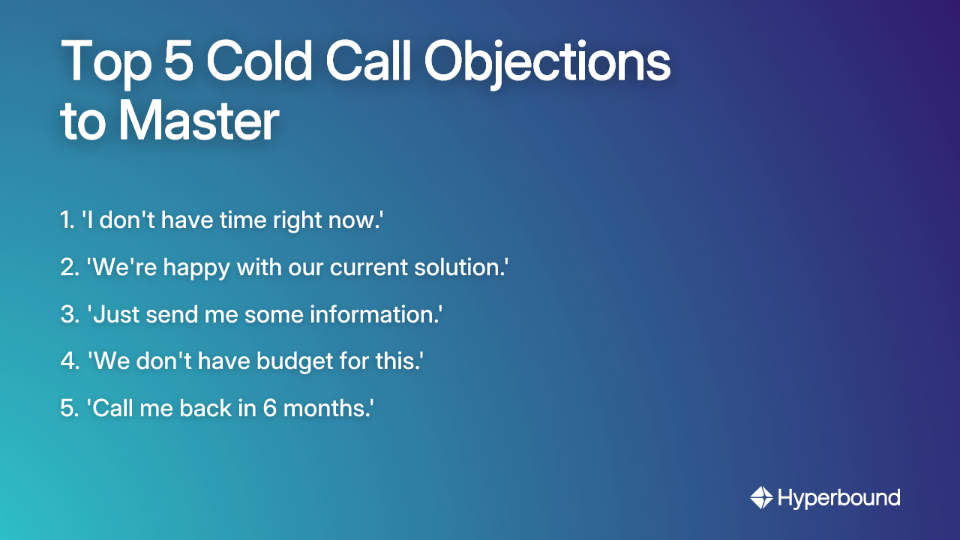
Common objections you'll need responses for:
- "I don't have time right now."
- "We're happy with our current solution."
- "Just send me some information."
- "We don't have budget for this."
- "Call me back in 6 months."
AI roleplays are the perfect environment to drill these responses until they become second nature, allowing you to respond confidently rather than freeze when you hear them on live calls.
Navigating the Gatekeeper
Gatekeepers pose a significant challenge in reaching target prospects. The strategy from Reddit is elegantly simple:
"You call in, gatekeeper picks up, say '(first name of decision maker) please'."
The key is confidence and treating the gatekeeper with respect. They're not your adversary – they're doing their job, and your job is to sound like you belong on your prospect's calendar.
Additional tips:
- Use a friendly, confident tone
- Avoid asking "Is [Name] available?" (too easy to say no)
- If asked about your purpose, be brief but specific: "We're discussing [relevant business topic]"
The Power of Active Listening
Let prospects express their thoughts without interruption.
Remember that longer calls can increase success odds by 6x for each additional minute. This only happens if you're listening and engaging, not just pitching.
Practice:
- Asking open-ended questions
- Acknowledging what you've heard ("That makes sense...")
- Following up with relevant questions based on their response
Time Blocking for Success
To address the pain of burnout from "excessive and unstructured calling sessions," implement time blocking:
- Break calling sessions into 2-hour sprints
- Take short breaks to reset and maintain energy
- Schedule your most important calls during your peak energy times
- Protect your calling blocks from meetings and other interruptions
Conclusion: You've Practiced 100 Calls. Now What?
By following this structured approach – building the right mindset, preparing meticulously, and executing a deliberate practice plan – you've done more than just hit a number. You've built the foundation for success as an SDR.
Remember that confidence is a byproduct of practice. The goal was never just the number, but the competence that comes from deliberate practice.
The path forward is clear:
- Track Your Data: Use your CRM to track call data and outcomes to see what's working
- Keep Practicing: The best reps never stop refining their skills. "Reps who practice, win." - Hyperbound. Continue using tools like AI roleplays to warm up before call blocks or to practice new messaging.
- Apply Your Learnings: Take what worked in practice and apply it to live calls, iterating and improving with each conversation.
The first week is the hardest, but with this framework, you're not just surviving—you're setting yourself up for long-term success. The phone doesn't feel so heavy anymore, does it?
Frequently Asked Questions
What is the main goal for an SDR in their first week?
The main goal for an SDR in their first week is practice, not booking a specific number of meetings. The focus should be on desensitizing yourself to rejection, building confidence, and learning what works through high-volume, structured practice. Making 100 calls is about developing muscle memory and refining your approach, which lays the foundation for long-term success.
Why is cold calling still effective?
Cold calling remains effective because many high-level decision-makers prefer it and it drives significant business growth. Research shows that 57% of C-level and VP-level buyers prefer to be contacted by phone. Furthermore, companies that actively engage in cold calling experience 42% more growth than those that don't, making it a powerful tool for generating pipeline.
How can I overcome the fear of making cold calls?
You can overcome the fear of cold calling by shifting your mindset, creating a comfortable environment, and focusing on the action of dialing rather than the outcome. Start by creating a "comfort studio environment" with calming lighting and sounds. Adopt a "just press dial" mentality to stop overthinking, and learn to view rejection as valuable data rather than a personal failure.
What are the key elements of a good cold call script?
A good cold call script should include four key elements: a permission-based opener, a clear reason for your call, probing questions, and a specific call to action. The script should act as a flexible guide, not a rigid monologue. Start by asking for 30 seconds of their time, connect your research to a potential pain point, ask questions to understand their needs, and end with the clear goal of booking a follow-up meeting.
How should I handle common sales objections?
The best way to handle common sales objections is to anticipate them, write down your responses, and practice them repeatedly until they become second nature. Identify the top 3-5 objections you face, such as "I don't have time" or "Send me an email." Plan your responses and use roleplaying—especially with AI tools—to drill them. This builds the confidence to respond effectively on live calls instead of freezing.
How can new SDRs practice cold calling effectively?
New SDRs can practice effectively through a combination of shadowing experienced reps, roleplaying with managers, and using AI sales simulation tools for scalable, risk-free practice. While manager-led roleplays are valuable, they are limited. AI platforms like Hyperbound allow you to practice dozens or even hundreds of calls against realistic AI personas, get instant, objective feedback on your performance, and master your script before ever speaking to a live prospect.

Book a demo with Hyperbound


