.png)



Sales teams have gotten very good at analyzing individual calls.
They can break down talk ratios, flag objections, summarize key moments, and highlight sentiment shifts. After a call ends, there’s rarely a shortage of insight into what happened.
And that’s progress.
But deals aren’t won or lost in a single call.
They unfold across multiple conversations, stakeholders, and turning points. A strong discovery call doesn’t guarantee alignment later. A well-handled objection doesn’t ensure pricing lands smoothly two weeks from now.
Call-level feedback captures moments.
Deals are decided by patterns.
When feedback stays tied to isolated calls, it’s difficult to understand how those moments compound over time — and even harder to influence the trajectory of the opportunity as a whole.
Call analysis is valuable. But on its own, it doesn’t automatically translate into deal-winning action.
The Isolation Problem
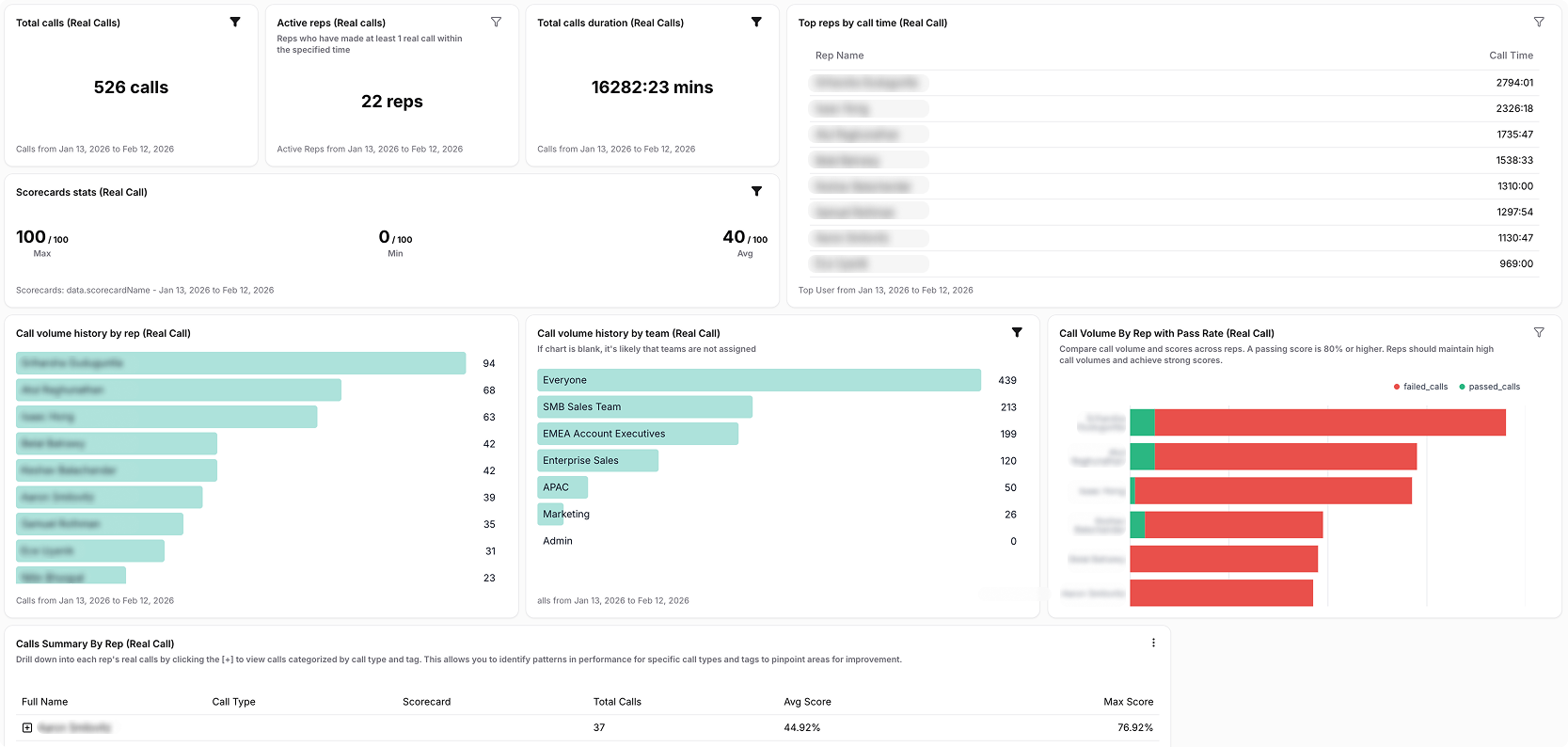
Most call coaching happens one conversation at a time.
A manager reviews a call. Feedback is given. Notes are logged.
Then the team moves on to the next recording.
Each call is analyzed independently, as if it exists in a vacuum. But deals don’t happen in isolation. They evolve across a sequence of conversations where context shifts, stakeholders react, and objections resurface in new forms.
When feedback lives at the call level, it rarely rolls up to the opportunity. Managers coach to moments — a missed question here, a weak transition there — without a clear view of how those moments are shaping overall deal momentum.
Over time, insight accumulates, but it doesn’t connect.
The result is scattered improvement instead of strategic influence. Teams get better at dissecting calls, but not necessarily at steering deals.
Why Deals Require Context, Not Snapshots
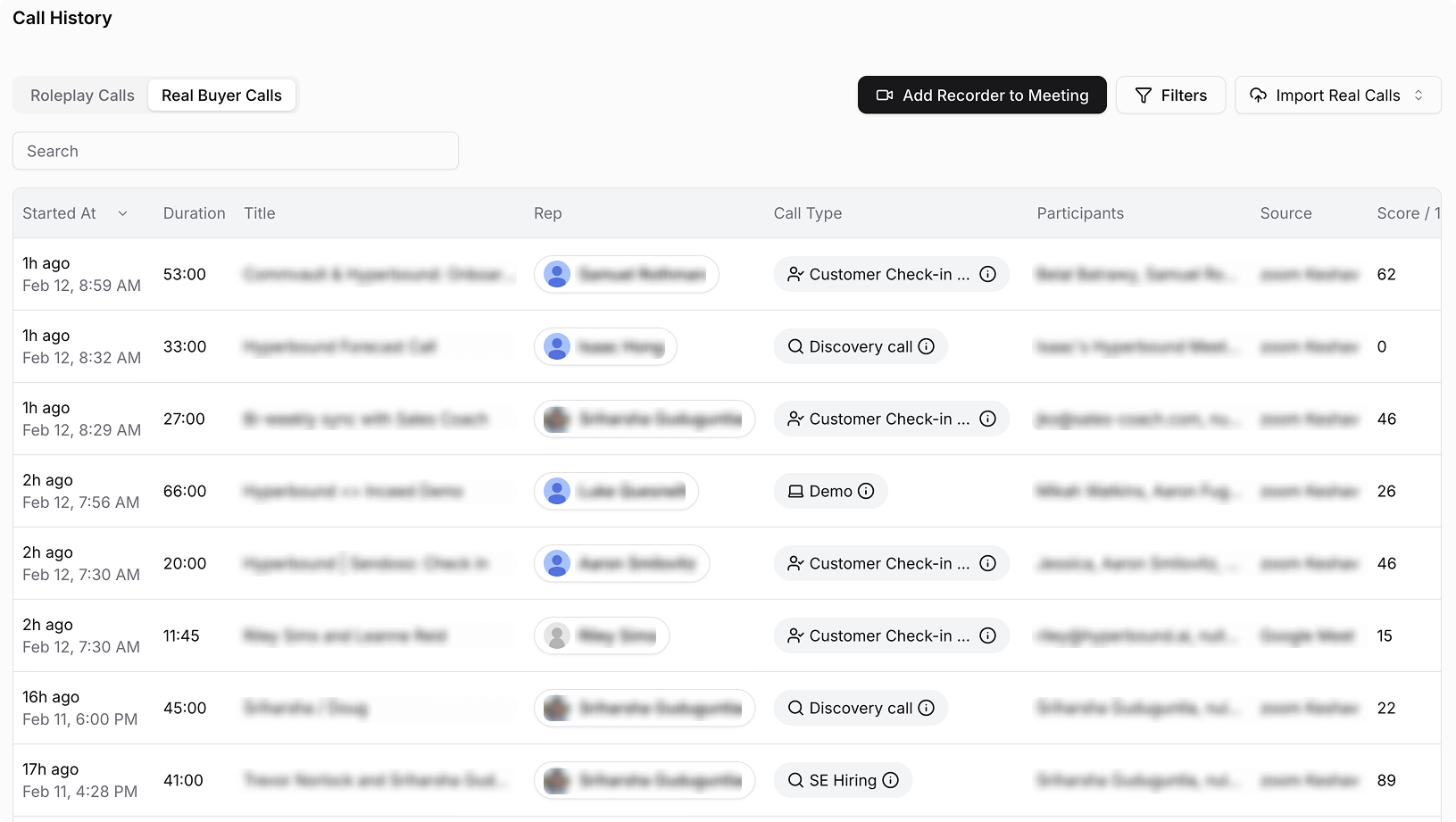
A single call can tell you a lot.
It can reveal how confident a rep sounded, whether objections were handled cleanly, or how clearly value was communicated.
But a single call can’t tell you how the deal is actually progressing.
Deals unfold over time. Stakeholder dynamics evolve. Priorities shift. Objections resurface in slightly different forms. What feels like a small misstep in one conversation can compound over the next three.
That’s why snapshots aren’t enough.
When feedback is tied to one moment, it’s easy to miss the pattern forming across conversations. Maybe pricing pushback is increasing. Maybe executive engagement is fading. Maybe urgency isn’t being reinforced consistently.
None of those issues are obvious in isolation.
They become visible only when you connect behavior across calls inside the same opportunity.
Without that context, teams are left reacting to isolated events instead of influencing overall deal momentum.
The Missing Link Between Feedback and Outcomes
Most teams don’t struggle to generate feedback.
They struggle to turn it into forward motion.
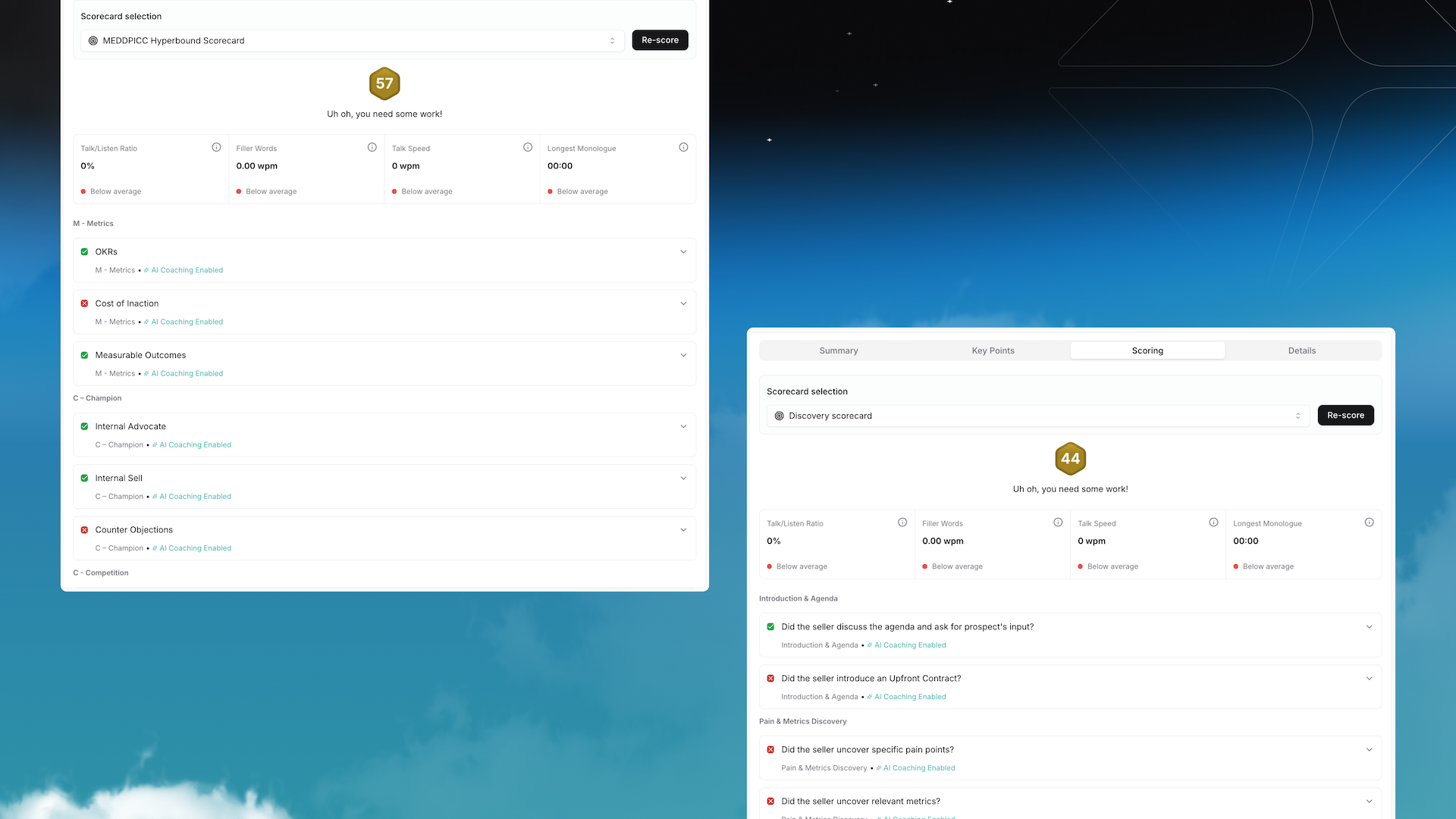
After a call, managers can point out what could have been stronger. Reps can identify moments they would handle differently next time. Insights get logged. Comments get shared.
But then what?
Too often, feedback lives as commentary on the past instead of guidance for the future. It explains what happened, but it doesn’t shape what should happen next inside the deal.
There’s rarely a clear system that connects call feedback to opportunity strategy. No structured way to translate, “That pricing conversation was weak,” into, “Here’s what needs to change before the next stakeholder call.”
That’s the gap.
Without a bridge between insight and next action, feedback becomes reflective instead of directive. It improves awareness, but it doesn’t necessarily improve outcomes.
What Deal-Level Coaching Changes
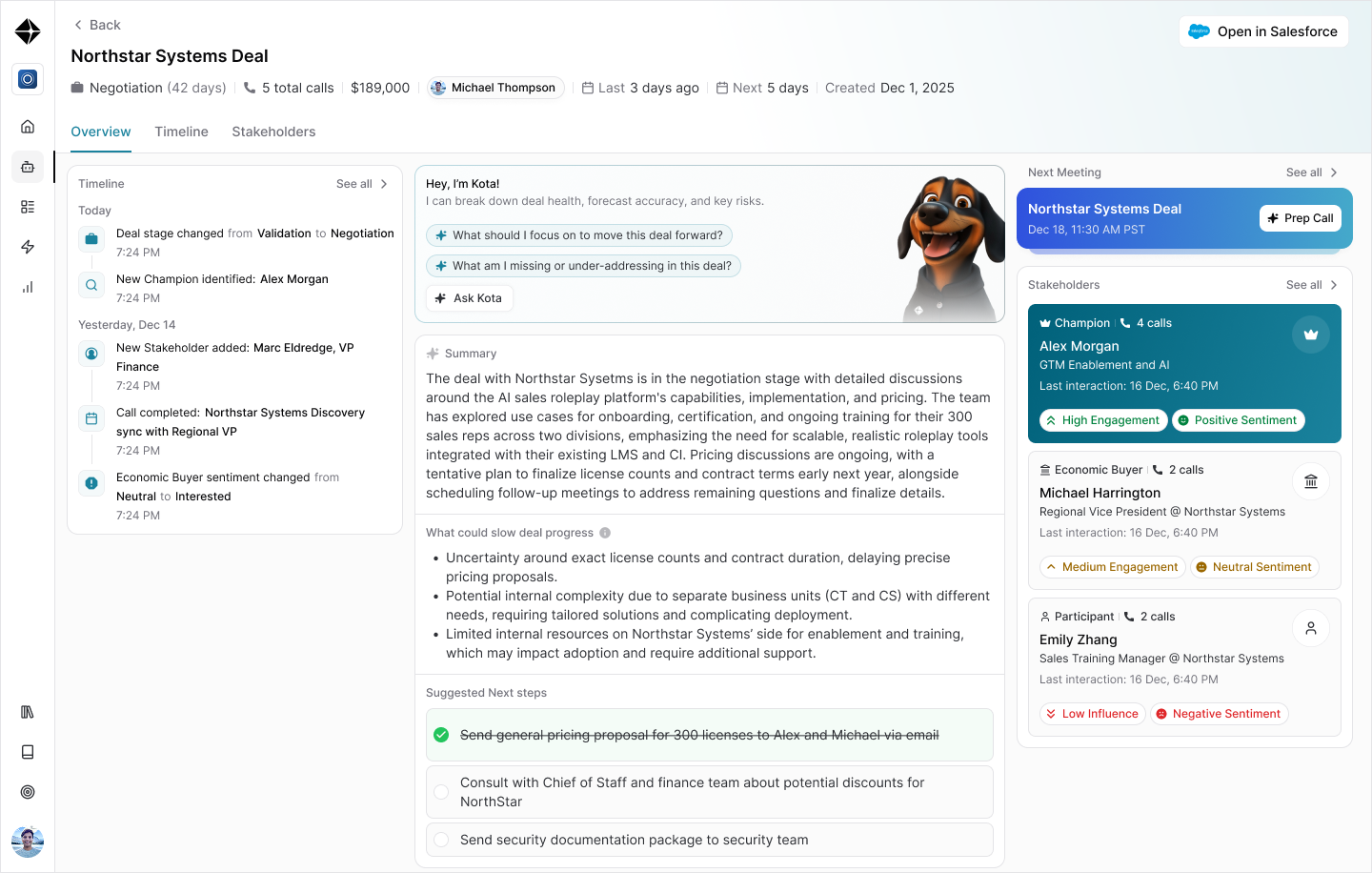
Deal-level coaching shifts the unit of analysis.
Instead of treating each call as a standalone event, it connects behavior across conversations inside a single opportunity. Patterns become visible. Momentum becomes measurable. Risk stops being a surprise.
When execution is viewed in context, feedback changes. It’s no longer about how a rep performed in one moment — it’s about how their behavior is shaping the trajectory of the deal.
That shift matters.
It allows teams to surface emerging risks before they show up in the forecast. It ties feedback directly to what needs to happen next. And it moves coaching from reactive review to proactive intervention.
The focus isn’t on perfecting individual calls.
It’s on influencing outcomes.
From Analysis to Action
Better analysis was the first wave.
Better outcomes are the goal.
Call summaries, sentiment analysis, and objection tracking have made it easier to understand what happened in a conversation. But understanding is only useful if it changes what happens next.
Execution improves between calls — not after the deal is lost.
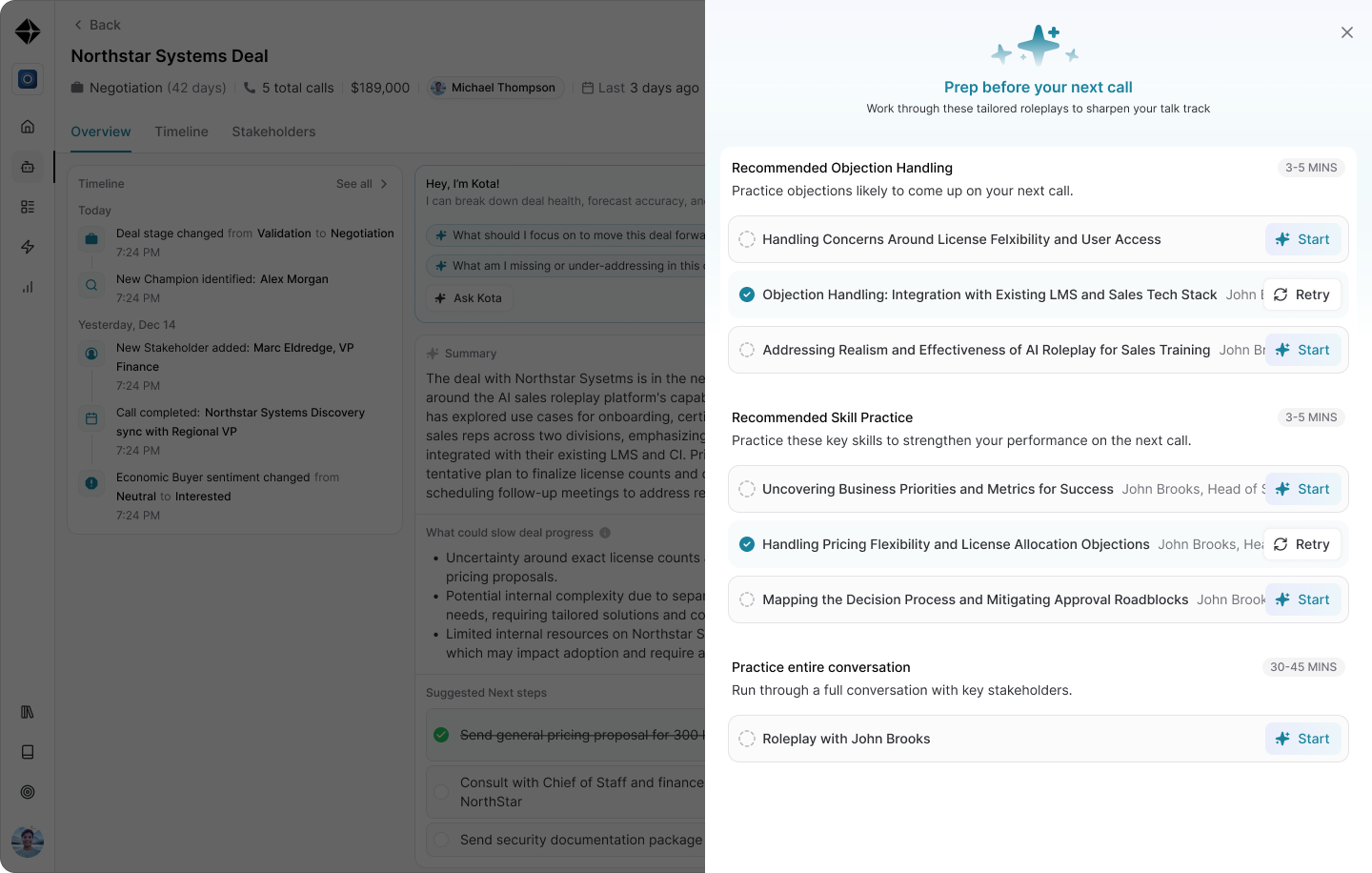
If pricing pushback is increasing, the rep needs targeted preparation before the next stakeholder conversation. If urgency isn’t landing, the messaging needs to be sharpened before momentum fades. If executive engagement is weak, the strategy needs to adjust while there’s still time to influence the decision.
That’s where analysis must turn into action.
Feedback should point to specific next steps. Coaching should reinforce the behaviors that move the deal forward. Preparation should be tied directly to the opportunity in front of the rep — not a generic skill exercise.
The goal isn’t better summaries.
It’s better execution inside active deals.
Behavior to Outcomes
Call-level insight was a major step forward for revenue teams.
It made conversations visible. It made coaching more informed. It brought structure to what was once purely anecdotal.
But it’s not the final step.
Deals aren’t won by understanding isolated calls. They’re won by influencing the momentum of the opportunity as a whole.
The next evolution isn’t more granular feedback. It’s connected, contextual coaching that links behavior across conversations and turns that understanding into action.
Revenue teams don’t need more isolated insight.
They need a way to connect execution to outcomes — and change what happens next while the deal is still in play.
From Feedback to Forward Motion
If your team is great at analyzing calls but still struggles to influence deal outcomes, it may be time to rethink the unit of coaching.
Explore how Hyperbound Perform connects call-level insight to deal-level action — so feedback doesn’t just explain the past, it shapes what happens next.
Book a demo with Hyperbound


