.png)


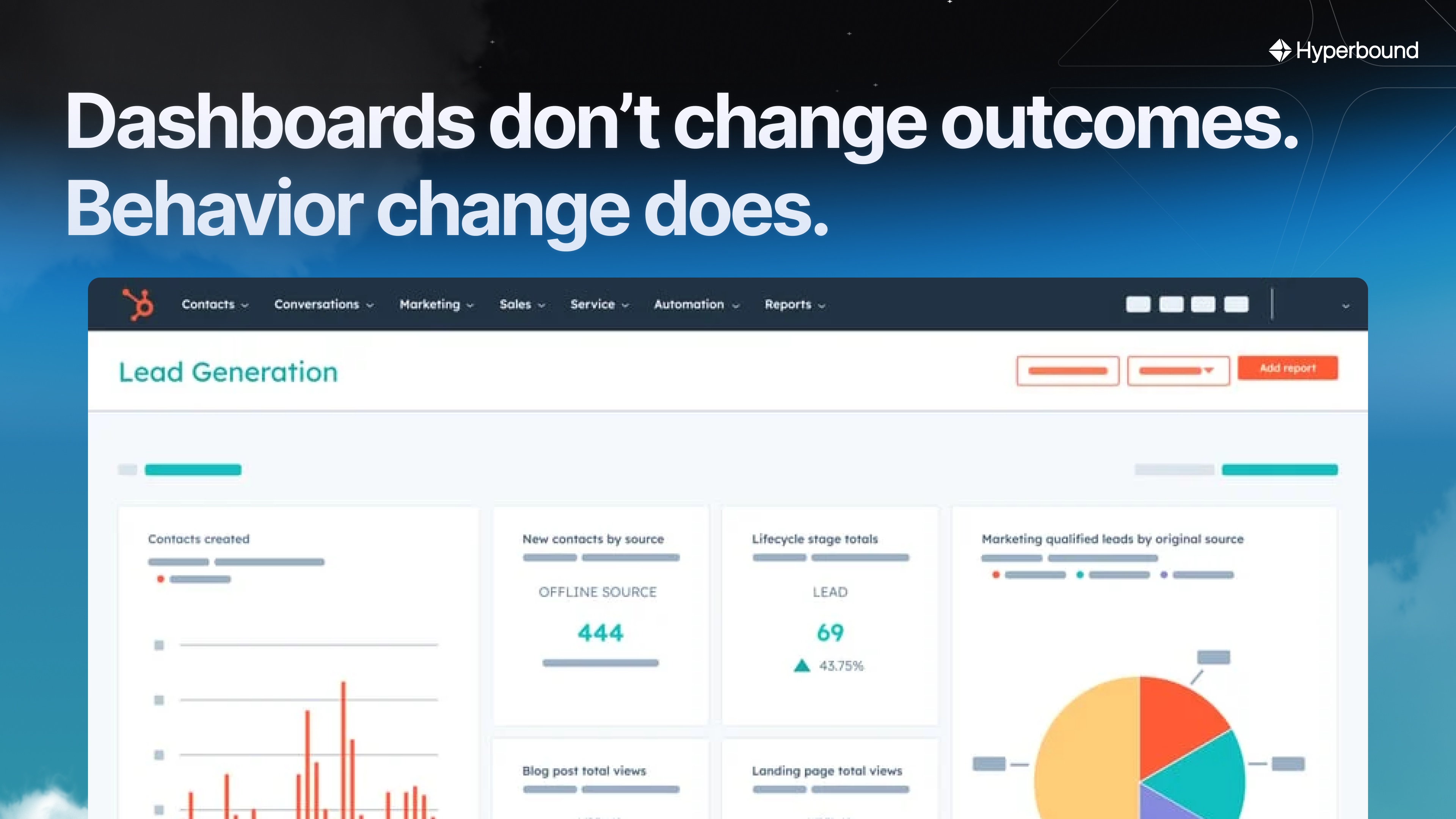
Revenue teams have never had more visibility.
Pipeline dashboards. Forecast dashboards. Call dashboards. Conversion dashboards.
Every stage is tracked. Every metric is measured. Every deal has a number attached to it.
Visibility isn’t the problem anymore.
And yet — numbers are still missed. Deals still slip late. Forecasts still surprise.
If dashboards alone changed outcomes, revenue teams would have solved this by now.
They haven’t.
Because seeing what’s happening in your pipeline is not the same thing as influencing what happens next.
Dashboards describe execution. They don’t change it.
The Visibility Trap
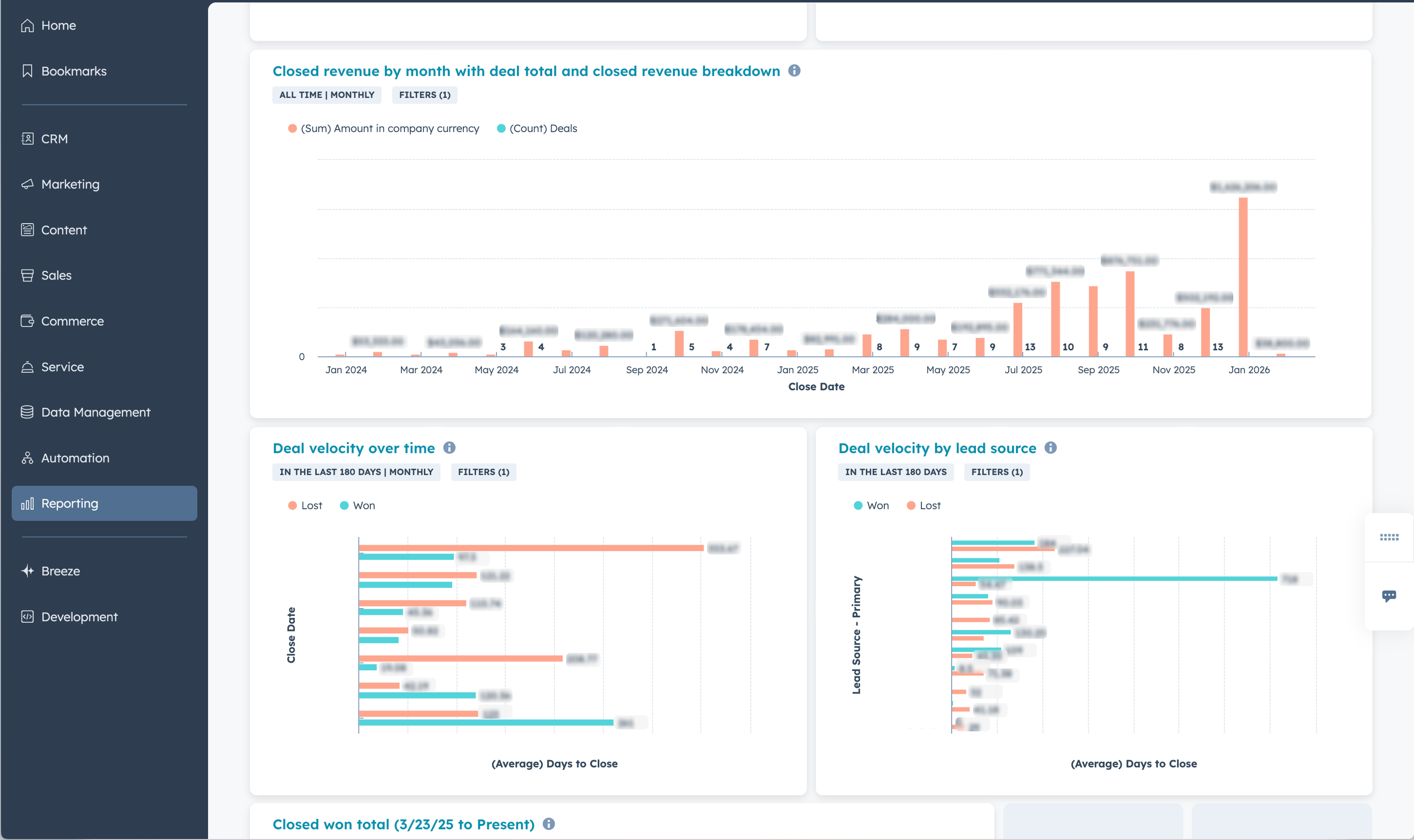
When deals slip or forecasts tighten, the response is almost automatic: add more reporting. Build another dashboard. Slice the data a different way.
It feels responsible. Analytical. Proactive.
The underlying assumption is simple: more visibility should mean more control.
But dashboards don’t intervene.
They can tell you a deal has stalled. They can show that stakeholder engagement is low. They can highlight that pricing conversations didn’t land well. They surface what already happened, often with impressive precision.
What they don’t do is influence what a rep says on the next call. They don’t prepare a rep for the objection that’s coming. They don’t guide a manager toward the specific behavior that needs reinforcement.
Visibility can expose risk. It doesn’t change execution.
And that’s the trap.
Revenue teams keep investing in better reporting, hoping it will produce better outcomes, when what actually changes outcomes is behavior inside real conversations.
Where Outcomes are Actually Decided
Revenue outcomes aren’t decided in dashboards.
They’re decided in conversations.
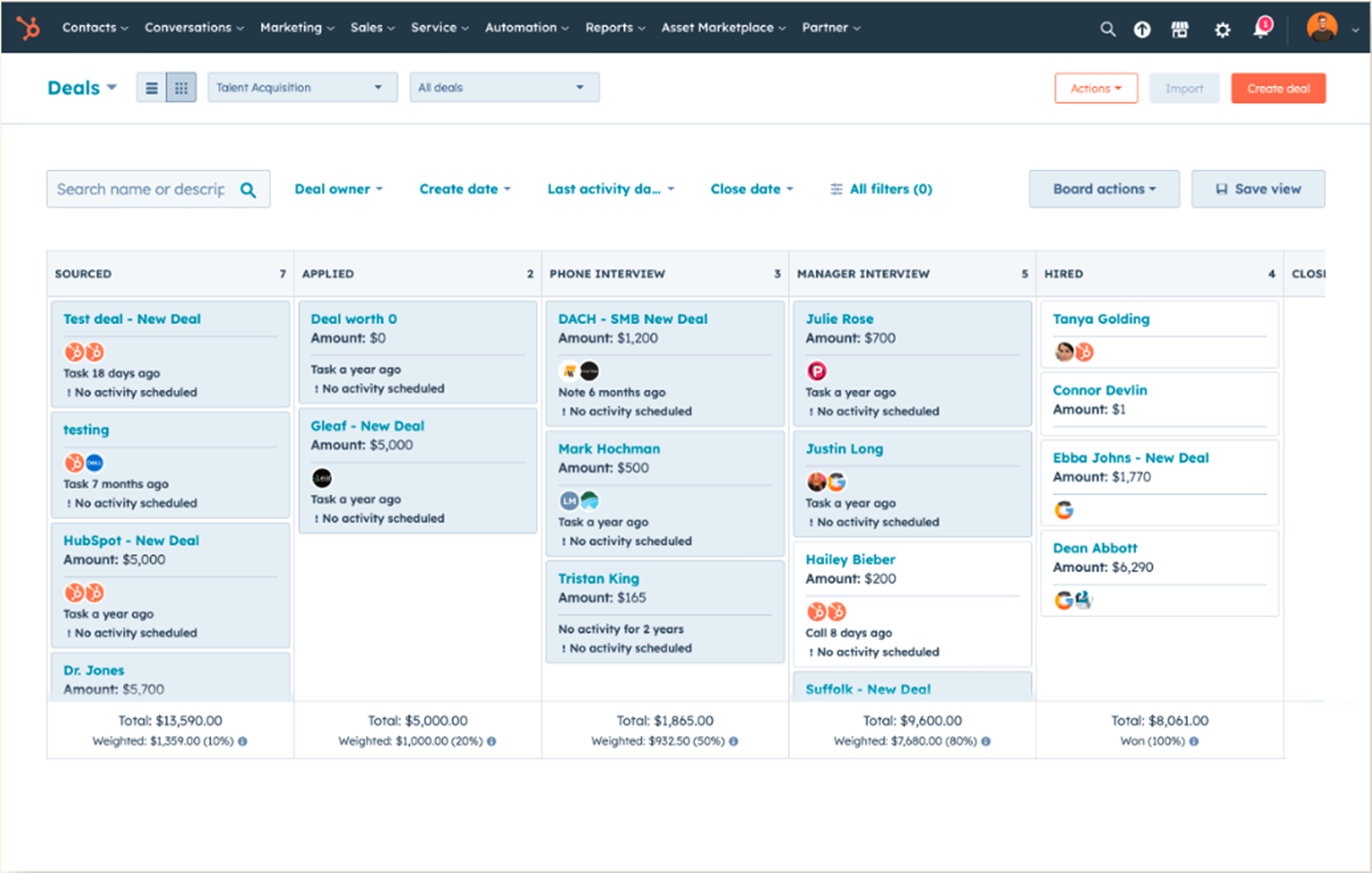
Deals move — or stall — based on how reps handle objections, how clearly they communicate value, how well they navigate pricing discussions, and how effectively they manage stakeholders. Small execution moments compound over the course of an opportunity.
A pricing conversation that lacks confidence can introduce doubt.An unaddressed objection can slow momentum.A missed stakeholder can quietly derail consensus.
None of those moments show up as behavior in a dashboard. They show up as numbers later.
By the time a deal is marked “at risk,” the execution moments that caused the risk have already happened.
That’s why visibility alone can’t solve the problem. Dashboards reflect the downstream effect of behavior — they don’t influence the behavior itself.
If you want different outcomes, you have to influence what happens inside those live conversations.
Why Behavior Change is Hard
If behavior drives outcomes, the next logical question is simple: why don’t teams just focus on changing behavior?
Because behavior change is harder than insight generation.
Most teams already know when something goes wrong in a deal. They can look back at a stalled opportunity and identify the moment pricing became uncomfortable, or when stakeholder alignment started to drift. The issue isn’t awareness — it’s timing.
Coaching is often reactive. It happens after a deal slips or after a call has already gone sideways. Feedback comes in hindsight, when the opportunity to influence that specific outcome has passed.
Practice, when it does happen, is usually disconnected from real, live deals. Reps might run generic roleplays or revisit broad skills, but those exercises aren’t always tied to the specific behaviors breaking down in active opportunities.
Without a tight feedback loop between execution, coaching, and practice, insight doesn’t convert into action. And without action, behavior doesn’t change.
That’s why teams can have more data than ever — and still struggle to consistently improve execution where it matters most.
.png)
From Reporting to Activation
Dashboards are built to report.
They summarize activity.They track progression.They measure outcomes.
But reporting and activation are not the same thing.
Reporting tells you what happened in a deal. Activation influences what happens next.
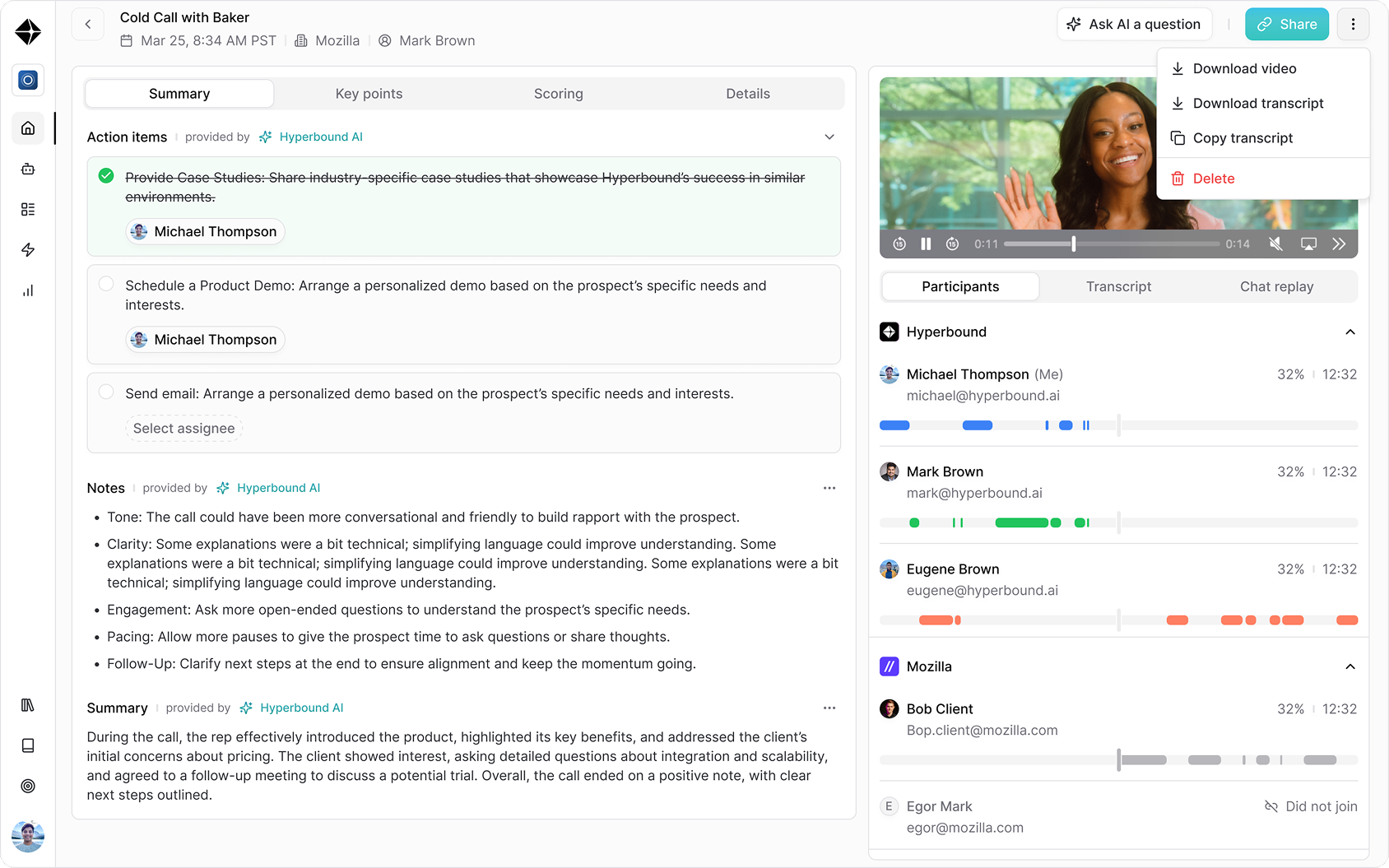
Activation means surfacing risk early enough to intervene. It means guiding reps toward specific next actions based on what’s happening inside their live opportunities. It means reinforcing the behaviors that move deals forward before momentum is lost.
This is the shift revenue teams are starting to make — from systems that describe performance to systems that shape it.
The question is no longer, “Do we have visibility?”
It’s, “Do we have a way to influence execution while deals are still winnable?”
That’s the difference between knowing and changing.
The New Standard for Revenue Teams
The next generation of revenue teams won’t win because they have more dashboards.
They’ll win because they operationalize behavior change.
Not more reports.Not more meetings.Not more post-mortems.
Better execution inside live deals.
That means identifying where execution starts to drift — early. It means reinforcing the right behaviors consistently, not sporadically. And it means treating coaching as a system, not an event.
Over time, small improvements in how reps handle objections, position value, and navigate complex conversations compound. Execution becomes more predictable. Deal momentum becomes more stable. Surprises become less frequent.
The teams that consistently outperform aren’t just better informed. They’re better prepared — and better coached — at the moments that actually shape outcomes.
If Dashboards Were Enough, the Problem Would Be Solved
Revenue teams already have more data than ever.
They can see their pipeline in real time. They can track conversion rates, call activity, engagement metrics, and forecast movement down to the decimal point.
If visibility alone changed outcomes, missed numbers would be rare.
But they aren’t.
Because dashboards describe performance — they don’t shape it.
What shapes outcomes is behavior inside real conversations. How reps respond under pressure. How managers reinforce execution. How teams turn insight into targeted action before deals are on the line.
Dashboards don’t change outcomes.
Behavior change does.
And the revenue teams that recognize that shift — from reporting to activation — are the ones that will consistently outperform.
Ready to Move Beyond Dashboards?
If you’re thinking about how to move from reporting to activation, explore how Hyperbound Perform turns real deal insight into guided action inside live opportunities.
Book a demo with Hyperbound


